








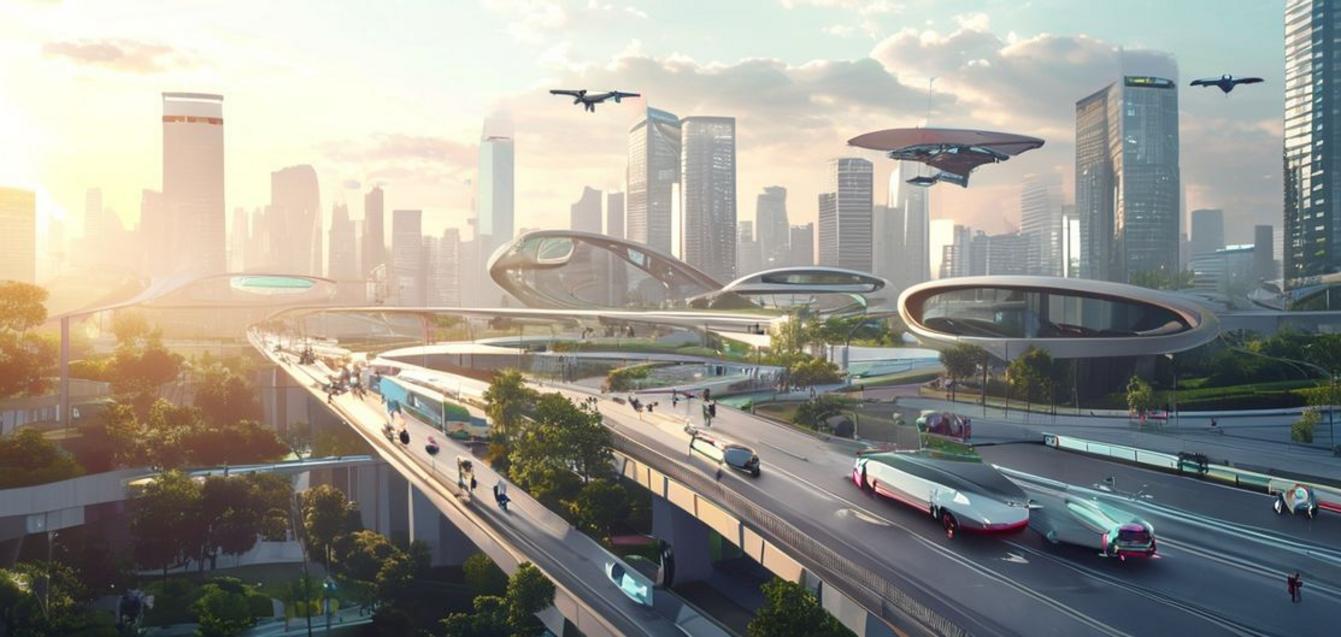
Imagine a city where your commute is seamless, sustainable, and entirely personalized. Where vehicles communicate with infrastructure, energy is clean, and movement is truly smart. This isn’t a distant dream from a sci-fi novel.
It’s a tangible reality taking shape in places like Dubai, which is fast becoming a living laboratory for the future of urban mobility. While many might picture the striking architecture and luxury, the real story here is far more foundational: a methodical, integrated approach to transport that offers critical lessons for cities worldwide.
The Unspoken Angle: From Vision to Integrated Reality
It’s easy to be captivated by headlines touting driverless taxis or drone deliveries. Indeed, these elements are part of Dubai’s ambitious vision. However, focusing solely on these visible technologies misses the deeper, more strategic work underway. What’s truly compelling is not just the adoption of advanced vehicles, but the creation of an underlying ecosystem that makes such innovations viable and sustainable. This involves a complex interplay of infrastructure, policy, and data—a genuine blueprint for comprehensive urban transport evolution.
From a strategic perspective, cities worldwide grapple with congestion, pollution, and the inefficiencies of legacy transport systems. Dubai isn’t just bolting on new technologies; it’s redesigning the entire movement paradigm from the ground up. This isn’t merely about smart *vehicles*; it’s about smart *mobility as a service*, integrated into the very fabric of urban life.
Laying the Foundations: Infrastructure, Policy, and Power
One of the most significant challenges in modernizing urban transport is the sheer scale of the required infrastructure overhaul. Dubai’s approach here is notable. It’s not just about building new roads or metro lines; it’s about creating interconnected networks that support diverse modes of transport—from shared micro-mobility options to advanced public transit and autonomous fleets.
In practice, we often see cities struggling with fragmented data systems and disjointed policy initiatives. Dubai, conversely, appears to be pursuing a centralized, data-driven planning methodology. This means traffic lights that intelligently respond to real-time flow, parking systems that guide drivers to available spots, and public transport schedules optimized by predictive analytics. This level of digital integration is critical for efficiency, reducing not just commute times but also the carbon footprint associated with idling vehicles.
Moreover, the commitment to clean transport necessitates a robust and sustainable energy infrastructure. The proliferation of electric vehicle (EV) charging stations, strategically placed and often integrated with renewable energy sources, is a clear signal of this intent. This foresight into energy provision is often overlooked but is absolutely foundational to widespread EV adoption and the realization of a truly green fleet. Without reliable, accessible charging, even the most advanced electric vehicles remain impractical for daily use.
The Policy Framework: Enabling Innovation and Trust
Innovation thrives in environments with clear, forward-thinking regulatory frameworks. A common observation among analysts in the urban planning sector is that rapid technological advancements often outpace existing regulations. This creates hurdles for piloting and scaling new solutions.
Dubai seems to be addressing this proactively, developing policies that are agile enough to accommodate emerging technologies like autonomous vehicles and drone deliveries while ensuring safety and public trust. This involves crafting regulations for testing, licensing, and liability that provide a clear path for innovators, rather than creating roadblocks. Such a supportive policy environment acts as a magnet for global technology firms, fostering a collaborative ecosystem that accelerates development.
Beyond the Individual Commute: Smart Logistics and Public Engagement
The vision extends beyond personal transport. Smart logistics and last-mile delivery solutions are equally crucial for urban efficiency. Integrating drones into delivery networks, for example, isn’t just about novelty; it’s about optimizing supply chains, reducing road congestion from delivery vehicles, and enhancing the speed and reach of services. This holistic view of urban movement, encompassing both people and goods, is a hallmark of truly smart city planning.
Another often underestimated aspect is public engagement and acceptance. New technologies, especially those that alter daily routines, require public buy-in. While not always front-page news, initiatives promoting public awareness, demonstrating the benefits of new systems, and ensuring accessibility for all segments of the population are vital for long-term success. The most advanced system is only as good as its adoption rate.
The Scalability Question: Lessons for Other Cities
While Dubai’s unique circumstances—significant investment capacity, a relatively clean slate for urban development in certain areas, and a strong centralized vision—undoubtedly contribute to its rapid progress, the underlying principles are highly transferable. The commitment to integrated planning, proactive policy development, and sustainable energy infrastructure are universal success factors.
My observations suggest that cities don’t need to replicate Dubai’s exact model, but rather draw inspiration from its methodology. Focus on building a cohesive digital backbone, fostering public-private partnerships, and creating flexible regulatory sandboxes. The challenge, as many in the sector understand, lies in adapting these lessons to diverse urban contexts, existing infrastructure, and varied political landscapes.
FAQ: Understanding Dubai’s Transport Innovations
Q1: What makes Dubai’s approach to transport unique?
Dubai’s approach stands out due to its integrated strategy, combining advanced vehicle technology with robust digital infrastructure, proactive policy-making, and a strong emphasis on sustainable energy, all driven by a centralized vision for urban efficiency and clean mobility.
Q2: How does Dubai plan to integrate autonomous vehicles?
The integration involves not just introducing driverless cars but also developing dedicated lanes, smart intersections that communicate with vehicles, comprehensive mapping data, and a regulatory framework that supports safe testing and operation. The goal is a significant portion of all trips to be autonomous in the coming years.
Q3: Is sustainable energy a major focus?
Absolutely. Sustainable energy is foundational to Dubai’s transport vision. This includes a widespread network of EV charging stations, often powered by renewable sources, and exploration of other green fuels like hydrogen for future public and commercial fleets, aiming for substantial emissions reductions.
Q4: What challenges does Dubai face in achieving its transport goals?
Challenges include maintaining the pace of infrastructure development, ensuring widespread public adoption and trust in new technologies, cybersecurity for interconnected systems, and the ongoing need for skilled talent to manage and innovate these complex systems.
Conclusion: A Glimpse into Tomorrow’s Urban Mobility
Dubai is more than just a showcase for futuristic gadgets; it’s a profound study in how a city can methodically plan, invest in, and implement a truly integrated smart transport system. The lessons emanating from its journey—about policy agility, infrastructure foresight, and the critical role of data—are invaluable for any urban center aspiring to cleaner, more efficient, and more sustainable mobility.
It reminds us that the future of transport isn’t just about what vehicles we drive, but how intelligently we design the entire ecosystem around them. For those seeking a tangible example of urban mobility’s next chapter, Dubai offers a compelling, real-world narrative.