








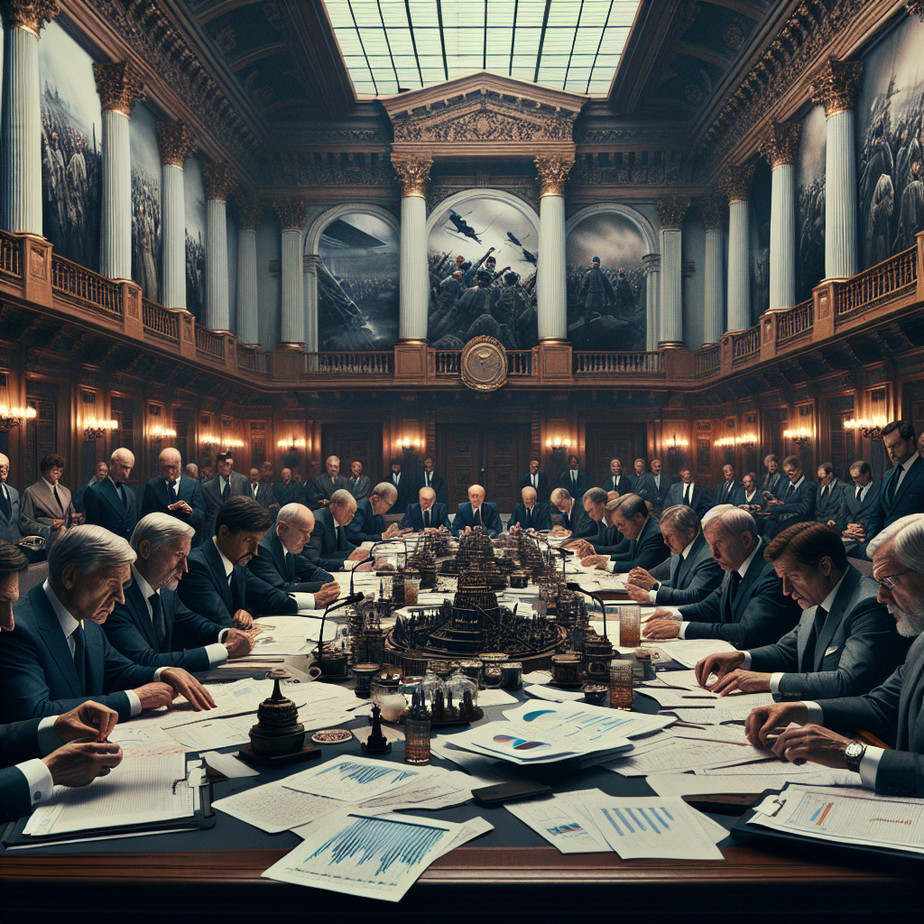
The Tug of War: Between Continuation and Crisis
As murmurs of a looming financial crisis in Russia gain traction, the complex dance of geopolitics and economics is set to become ever more compelling. Officials within the Kremlin are reportedly voicing concerns that the trajectory of Russia’s engagement in Ukraine is unsustainable. Yet, they also argue that an exit strategy might be too risky.
Can a Financial Crisis Mean Political Instability?
It’s a familiar narrative in the world of statecraft: as the stakes escalate, leaders often find themselves trapped by their own decisions. A common observation among analysts is that wars can become so deeply entrenched that they end up defining a country’s economic reality. For President Vladimir Putin, the war in Ukraine has transformed from a military operation into a cornerstone of both domestic policy and international identity.
Reports indicate that Russian officials are becoming increasingly vocal about the economic repercussions of the ongoing conflict. With sanctions biting hard and inflation on the rise, the financial stability of the nation is beginning to falter. In this unpredictable climate, one cannot help but wonder—how does Putin navigate this crisis without losing face?
Is the War Too Big to Fail?
Putin’s administration may perceive the idea of withdrawing from Ukraine as tantamount to admitting defeat. The argument goes that the war has become too significant to abandon, making a financial crisis almost a necessary evil. In practice, we often see leaders doubling down on ventures they can no longer afford to relinquish, a phenomenon many analysts have termed “sunk cost fallacy.” The implications are evident: Russia could face an even steeper economic decline should it fail to sustain its military initiatives.
But for how long can this logic hold? Economic analysts forecast dire outcomes for Russia should it continue on this path. Each month the war drags on leads to increased military expenditure and extended sanctions from the West, which, combined, erode the country’s financial resources.
The Growing Divide: Elite Perspectives vs. Public Sentiment
Interestingly, the elite within Russia appear to comprehend the financial precariousness yet feel little motivation to alter course. There is a distinct divide between those who are at the helm of military strategy and the ordinary citizens grappling with rising costs and diminished quality of life. A recurring theme in discussions among the populace reflects a blend of fear, frustration, and resignation. Many understand that the longer the conflict continues, the more profound the implications will be on their daily lives.
The political elite’s hesitance to change direction reflects a broader concern: How would a shift impact Putin’s grip on power? As long as the narrative framing the war as a defensive measure prevails, dissent can be muted. Public debates remain tightly controlled, leaving little room for opposing viewpoints to flourish.
Risks of Domestic Unrest
While Putin may feel a sense of invincibility today, history provides sobering reminders of how quickly public sentiment can shift. A relentless economic decline, exacerbated by the ongoing war, could ignite discontent among the populace. If protests arise, they will likely target both the crippling financial strain on families and the broader question of military involvement.
Russian sociologist Grigory Yavlinsky has previously warned that long-term isolation from the global economy might spark turbulence at home. Should the war exacerbate economic hardships, it could further erode the legitimacy of Putin’s regime.
The Occupation of Compelling Revolutionary Ideas
In the face of potential financial collapse, some analysts suggest that the Kremlin may resort to more aggressive narratives to maintain domestic support. Like many nations facing crises, governments often evoke nationalist sentiment to unify public opinion around a shared “enemy.” Should economic conditions deteriorate, we could witness a surge in state-sponsored propaganda framing the conflict as a battle for survival against Western aggression.
This tactic has historical precedence and is commonly employed for rallying public sentiment. The question remains whether such strategies will be effective in the age of information, where access to unaffiliated news sources can quickly undermine state narratives.
FAQ
What are the indicators of a financial crisis in Russia?
Indicators include rising inflation, negative GDP growth, and increasing dissatisfaction among citizens. Sanctions imposed by Western countries further compound these economic challenges.
How are Russian officials responding to the threat of a financial crisis?
Recent reports suggest that officials are internally vocalizing concerns about the sustainability of the war while appearing reticent in public forums, likely due to fears of repercussions for expressing dissent.
What would a financial crisis mean for Putin’s government?
A financial crisis could undermine public support, leading to potential unrest and challenges to Putin’s authority, thereby increasing pressure to reassess military engagement in Ukraine.
Conclusion: The Importance of Monitoring Developments
The crossroads where economics meets military strategy in Russia is delicate and fraught with potential for sudden shifts. Although the Kremlin appears committed to maintaining its course in Ukraine, the specter of financial crisis looms large. As history has shown, the moments when leaders feel most secure can also be the moments preceding significant change. Observers and citizens alike should keep a close eye on developments, as the interplay between economic realities and war strategies may shape not just the future of Ukraine, but the very fabric of Russian society itself.