








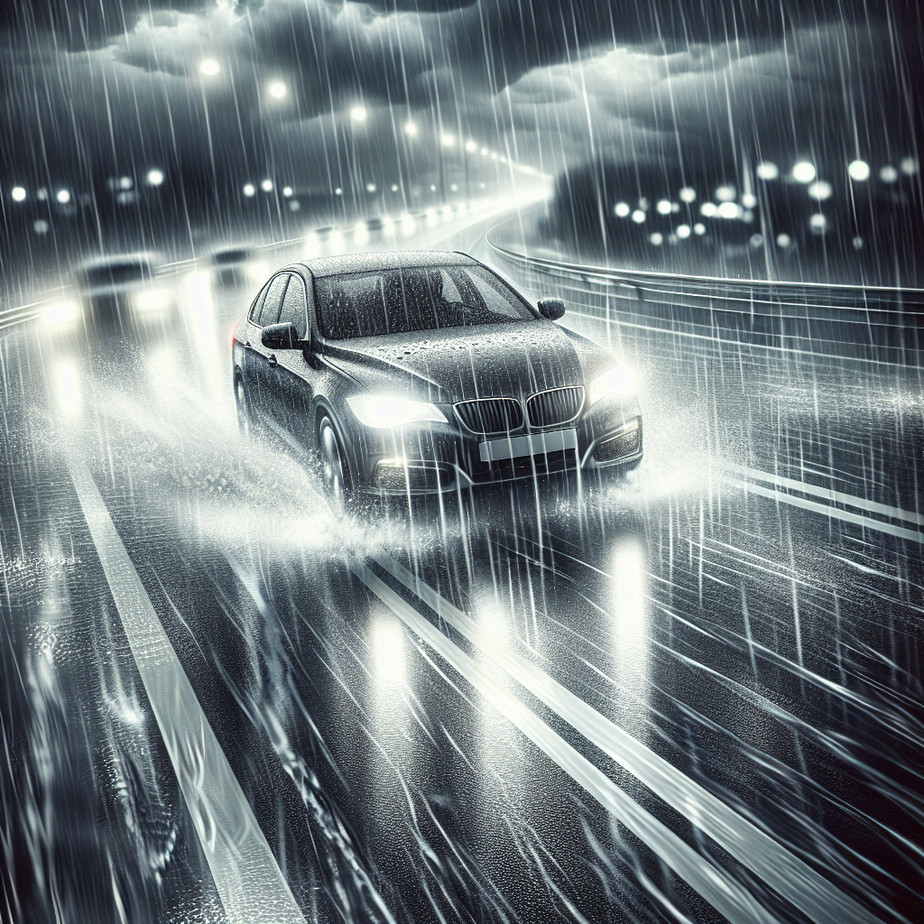
Imagine driving through a downpour, the sound of rain drumming against your windshield, when suddenly, a bright flash of blue lights catches your eye in the rearview mirror. It’s a startling reminder that not all road regulations are as straightforward as they seem. In certain regions, merely being on the road during heavy rain can put you at risk of hefty fines—sometimes reaching as high as $2,000.
This unique rule, often unnoticed by casual drivers, raises eyebrows about the real implications of weather-related traffic laws. While most people are conditioned to check their speedometers and buckle their seatbelts, the presence of rain can introduce a new level of scrutiny and financial risk.
As weather patterns fluctuate dramatically, many drivers find themselves caught off guard by such laws. For some, it could mean an unexpected stop at the side of the road—literally—in the pursuit of a simple drive.
The Rainy Season: A Legal Minefield
In many areas, laws have been enacted to enhance road safety during harsh weather conditions. These regulations often stem from the desire to minimize accidents and protect both drivers and pedestrians. But how effective are they? Real-world cases highlight the challenges faced by law enforcement and the unpredictability of weather phenomena.
In regions prone to sudden storms, the enforcement of these laws often hinges less on driving behavior—like speeding—and more on the mere act of being on the road. This raises important questions about fairness and the rationale behind such fines.
Understanding the Law
So, what exactly constitutes a violation under these laws? Often, the focus is on road safety, particularly during conditions that can lead to flooding or slippery surfaces. In many jurisdictions, restrictions might apply explicitly when rainfall reaches a certain intensity, or when local authorities have issued advisories.
Drivers assessing whether to venture out during unfavorable weather should be aware that the term ‘safety’ varies greatly by location. Certain states even enact a ‘rain law’ where simply being seen driving in treacherous conditions can trigger penalties. The nuances of these regulations add layers of complexity that can surprise drivers who might think their usual precautions suffice.
The Implications of Being Fined
Facing a potential fine of thousands just for being on the road during rain brings about a spectrum of consequences, from financial burdens to legal challenges. Drivers often express frustration and confusion about how these laws protect public safety when strict penalties seem to punish caution.
Experts in traffic law argue that while these regulations aim to deter reckless behavior, they can inadvertently penalize those who are simply trying to reach their destination. Moreover, public awareness regarding the existence of such laws remains surprisingly low; the average driver might not think twice about the risks involved until it’s too late.
What Drivers Should Know
Navigating such turbulent waters isn’t easy, especially with many drivers unaware that **just driving**—regardless of speed—can lead to citations. Here are a few things to keep in mind:
- Stay Informed: Check local advisories regarding weather-related driving restrictions. Knowing the rules specific to your area can save you a world of trouble.
- Legal Recourse: If you do receive a fine, understand your rights. Consulting a lawyer specializing in traffic laws can provide additional perspective on appealing a citation.
- Community Dialogue: Engage in conversations with local governance about the effects of such laws. Advocating for clearer guidelines could benefit all drivers in the long run.
The Human Perspective
In understanding the emotional weight of this issue, consider the perspective of drivers caught in these strict regulations. Many people may not be aware that they can be pulled over simply for existing on a slick road. It transforms the mundane act of commuting into a delicate balancing act—navigating not just the road but also an intricate web of legal expectations.
In real-world scenarios, professionals often notice that those most affected are typically individuals commuting for work, single parents managing school drop-offs, or anyone reliant on their vehicle to fulfill daily obligations. The last thing these drivers need is the added stress of hefty fines due to circumstances beyond their control.
Broader Implications on Road Safety
The existence of such stringent regulations during rainy conditions raises pressing questions about road safety as a whole. Are these laws truly effective in enhancing safety, or do they merely serve as financial traps for unsuspecting drivers?
Some argue that education and awareness campaigns would yield better results than fines. Creating a culture of safety—where drivers actively understand and abide by weather-related driving etiquette—might prevent traffic incidents more effectively than punitive measures.
The Case for Change
Pressuring local authorities to reassess the efficacy and fairness of existing laws could lead to revisions that better balance public safety with personal accountability. Many believe it’s time to shift the focus from financial penalties to public education and community-based solutions. Dialogues around these laws can foster a more inclusive road culture, where safety is prioritized without the fear of an unnecessarily punitive system.
FAQ Section
What is the ‘rain law’?
A ‘rain law’ refers to regulations that may penalize drivers for being on the road during heavy rain or flooding, regardless of driving speed.
Can I get a fine if I’m driving safely during heavy rain?
Yes, in some jurisdictions, being found driving in inclement weather can lead to citations, irrespective of your speed or driving behavior.
How can I avoid fines during the rainy season?
Stay informed about your local weather-related road rules, monitor advisories, and consider alternative transportation during heavy rainfall.
What should I do if I receive a fine?
Consult a traffic lawyer to understand your options, including potential appeals and your rights regarding the citation.
Looking Ahead: A Thoughtful Perspective
In essence, staying up-to-date with local regulations can not only save you money but also enhance your overall driving experience in times of unpredictable weather.