








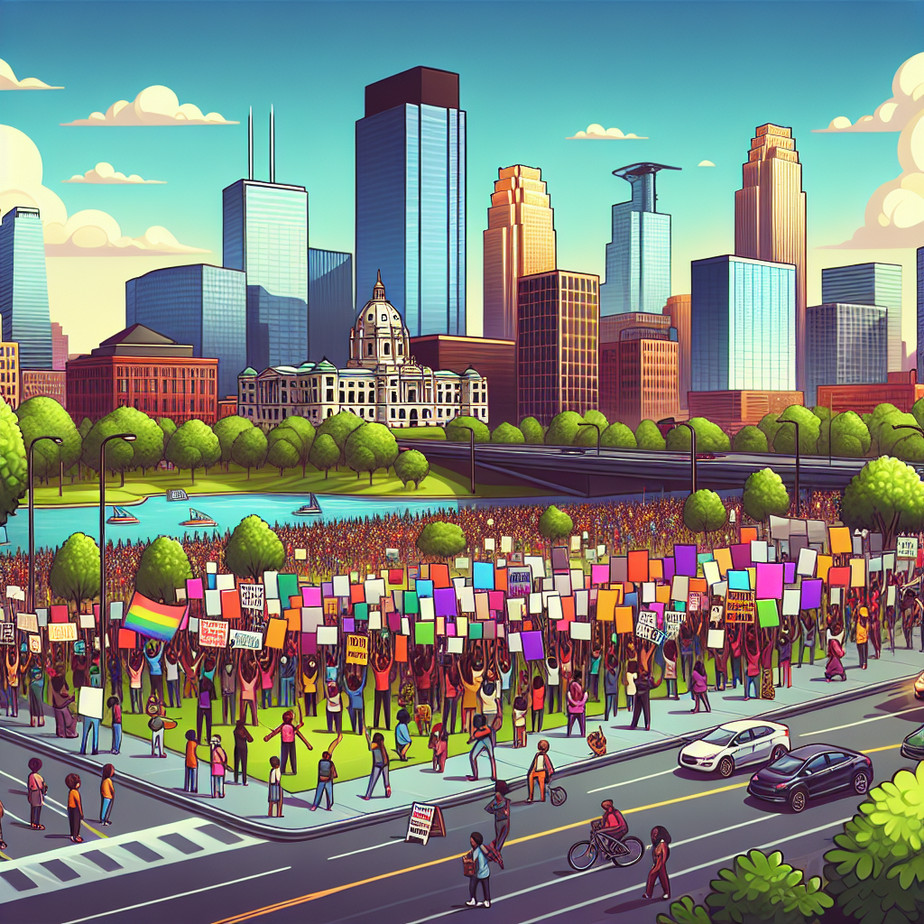
In the heart of Minneapolis, a new wave of expression is taking shape—yet it transcends traditional activism and enters the realm of digital outraged culture. Recent outcries reflect not just discontent but a remarkable shift in how specific narratives are crafted and disseminated.
With each poster and viral tweet, we find a deeper story about the modes of communication that are rapidly reshaping political landscapes. At the forefront of this evolution is a response mechanism that many describe as more performative than productive.
Posters as Political Commentary
In recent months, an uprising of posters has flooded Minneapolis. However, they serve a dual purpose: expressing anger and functioning as a medium of political performance. This phenomenon raises important questions about engagement—could these visceral responses be a sign of a wider disconnect between grassroots activism and mainstream political channels?
The posters themselves echo familiar sentiments of frustration and immediacy, targeting both local governance and broader societal norms. Yet, in academic circles, there’s recognition that while such actions garner attention, the real challenge lies in transforming this attention into tangible change.
A Platform for Dissent
This recent trend exemplifies how platforms serve as both forums for dissent and stages for self-expression. In reality, professionals in civic engagement often notice that merely amplifying outrage without a structured response can lead to a culture of stagnation. This isn’t to diminish the value of dissent; rather, it poses the hard question of whether these reactions are a catalyst for meaningful dialogue or performative acts that fizzle out over time.
Every poster comes with a story, but they also contribute to an overwhelming narrative chaos. What was once a straightforward call for accountability has turned into an all-consuming media cycle where attention is fragmented, and sometimes, lost.
Creating Echo Chambers
The outrage seen in Minneapolis mirrors trends in other urban centers. Community members and even the digitally savvy often fall into the trap of echo chambers. The realignment of political conversations occurs predominantly within these self-reinforcing networks, raising concerns about polarization among residents.
While a vibrant discourse can emerge from these chambers, it often lacks the cross-pollination necessary for innovation and growth. The mix of anger, art, and urgency forms an intoxicating brew, but when it meets rigid ideological boundaries, constructive change can remain frustratingly elusive.
Real-World Impact
Professionals studying urban sociopolitical movements emphasize the importance of transforming emotional energy into sustainable actions. The last few months have demonstrated that the strength of resentment can propel conversations, but those conversations need structure to yield real-world impact.
In Minneapolis, there’s a palpable excitement among grassroots groups looking to reshape their environment. However, sustainable activism relies on more than just outrage posters. Ongoing dialogue with local officials, community forums, and actionable policies need to be prioritized for change to take hold.
Beyond Outrage: A Call for Reflection
As the posters dominate the visual landscape, they inadvertently prompt a moment of reflection. Activists and community members must consider how to use this energy effectively. Instead of merely voicing dissatisfaction, what if efforts were directed toward building platforms for genuine dialogue and engagement?
The challenge ahead seems to be bridging the gap between expression and action. To transition from outrage to a constructive community dialogue, investing in programs that foster mutual understanding across ideologies could prove essential.
Frequently Asked Questions
What sparked the poster movement in Minneapolis?
The recent surge of poster activism in Minneapolis is mainly a response to ongoing social and political issues within the community. Many feel that traditional means of dialogue have failed, prompting more visible expressions of dissent.
How do these posters impact local governance?
While they raise awareness and spark conversations, there’s skepticism about their effectiveness in creating lasting change. Without a structured follow-up, the impact often remains superficial.
Can outrage be transformed into productive activism?
Absolutely, but it requires intentionality. Engaging in structured community dialogues and forming partnerships with local officials can help channel anger into actionable change.
A Path Forward
Minneapolis is at a crucial juncture. The outrage machine, while powerful, should be seen as a tool rather than a destination. By channeling this impulse into constructive avenues, a path can emerge not just for immediate change but for fostering a future where community discourse is nuanced and robust.
As observers of this dynamic landscape, our role isn’t to diminish the importance of the visual outcry but to advocate for a dual approach—one that embraces expression while simultaneously working toward comprehensive solutions. It’s a delicate balance, but one that the community must strive for if they hope to evolve the current narrative.