








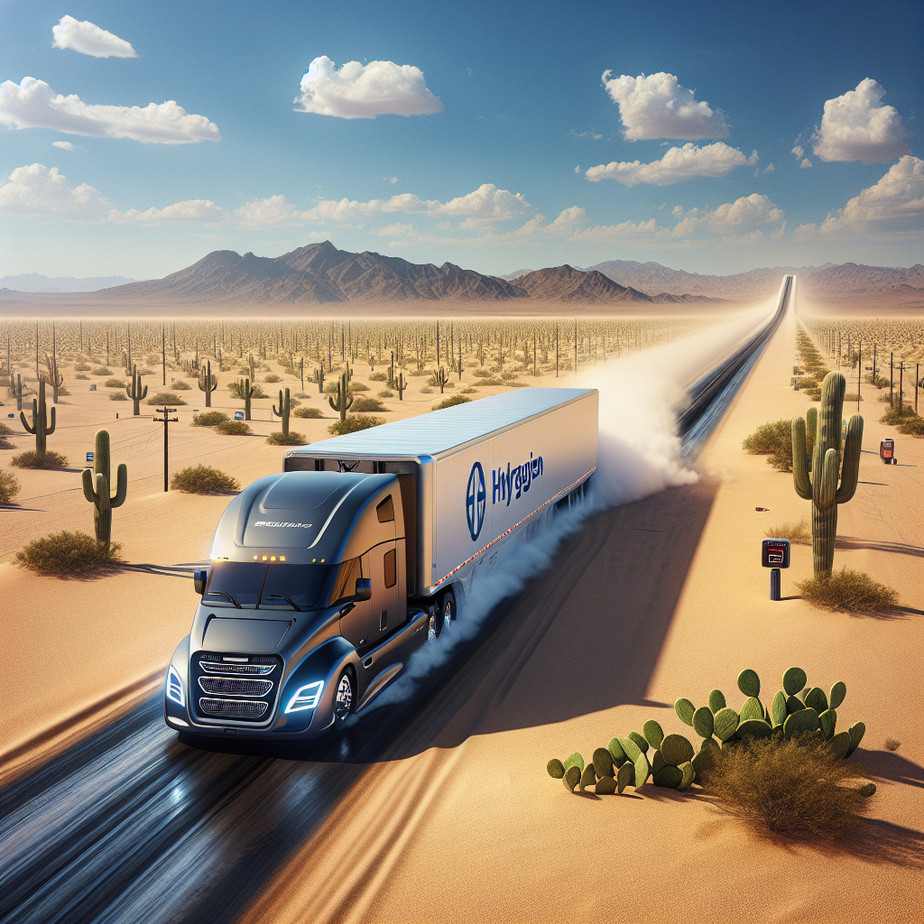
Under the scorching sun of the Arizona desert, a new kind of race is unfolding. Picture it: powerful trucks, sleek and silent, line up for a high-octane face-off. But instead of roars and fumes, there’s only a puff of water vapor as they surge forward. This isn’t your typical drag race—this is Toyota taking hydrogen technology to the limits.
As hydrogen continues to emerge as a promising alternative in the conversation about sustainable energy, Toyota’s latest venture showcases not just innovation but a vision for the future. The juxtaposition of speed and eco-friendliness in this drag racing event compels us to reconsider what motorsport can represent.
While many might question the feasibility of hydrogen in a racing context, it’s essential to reflect on the automotive industry’s evolving landscape. An increased push towards sustainable alternatives is becoming paramount in an age where climate concerns sit at the forefront of public discourse. In this unique setting, the convention is challenged, revealing both excitement and caution.
The Technology Behind the Torque
Hydrogen fuel cells function by converting hydrogen into electricity, which then powers electric motors. When it comes to emissions, the process is commendably clean; the only byproduct is water. Practically, this means that in a race where performance and sustainability are both critically assessed, these trucks are showing that speed can indeed come with a conscience.
This drag racing initiative is not merely a publicity stunt. Driving these hydrogen-powered vehicles are individuals experienced in racing dynamics who understand the nuances of power-to-weight ratios and torque distribution. Those familiar with motorsport often notice how nuances in technology can shift the competition landscape so dramatically. This race is an experiment, but also a tour de force that illustrates the potential capabilities of hydrogen-fueled vehicles.
Speed Meets Sustainability
It might raise eyebrows to consider hydrogen-powered trucks competing against conventional fuel counterparts, yet the trucks are remarkably quick off the line. This agility represents the inherent performance of hydrogen fuel cells, which deliver instantaneous torque—an advantage that can be crucial in a drag race.
Furthermore, this showcase in the Arizona desert pushes the narrative that sustainable technology doesn’t have to sacrifice excitement or performance. In an era where consumers expect environmental responsibility from brands, witnessing these trucks dominate a racetrack offers a compelling narrative: eco-friendliness can also mean thrill and excitement.
However, real-world applications of hydrogen technology might not mirror the pristine conditions of a racetrack. Regulatory frameworks and infrastructure investments needed for widespread adoption of hydrogen vehicles are still developing. Here, the race serves not only as an exhibition of speed but as an exploration of potential obstacles and the need for systemic change.
The Broader Context of Hydrogen Innovations
The urgency for reliable alternatives to fossil fuels has never been clearer. Hydrogen is often lauded for its zero-emission promise, yet it’s not without challenges. Hydrogen production often relies on natural gas, a process that can be carbon-intensive. Even in its cleanest form—green hydrogen derived from renewable sources—efficiencies around usage and transportation require significant enhancement.
Those closely monitoring the hydrogen sector note that continual investment and innovative thinking are crucial for unlocking hydrogen’s full potential, both in vehicles and beyond. For Toyota, this drag racing initiative markets not just a vehicle but a hopeful vision for an ecologically sound future.
What This Means for the Automotive Industry
While this event might be perceived as a niche endeavor, the implications extend far further. The presence of hydrogen technology can catalyze discussions among competitors and result in strategic pivots. As high-profile brands experiment, others may feel pressure to innovate, leading to potentially faster advancements across the industry.
Ultimately, this competitive spirit may be the driving force that accelerates mainstream acceptance of hydrogen-powered vehicles. In a real-world context, it could encourage brands to reevaluate their strategies concerning electrification and sustainable practices.
Hydrogen in the Public Eye
Public perception is integral to the widespread adoption of alternative fuels. By hosting events like drag races, manufacturers can draw attention to hydrogen technology, showcasing its viability in a culturally resonant format. This blend of entertainment and education could generate excitement and an appetite for change among consumers.
For racing enthusiasts and industry watchers alike, the implications are intriguing. As the automotive landscape continues to shift towards electrification and sustainability, drag racing hydrogen-powered trucks could be seen as a microcosm of broader industry trends.
FAQs about Hydrogen-Powered Trucks
How do hydrogen fuel cells work?
Hydrogen fuel cells generate electricity through a chemical reaction between hydrogen and oxygen, producing water as the only byproduct.
Are hydrogen-powered trucks fast?
Yes, hydrogen-powered trucks can deliver impressive speed and torque, benefiting from the instant power available from hydrogen fuel cells.
What challenges does hydrogen technology face?
The hydrogen industry grapples with challenges related to production efficiency, infrastructure development, and public perception.
How can public events promote the adoption of hydrogen vehicles?
Events such as races create excitement and awareness around hydrogen technology, helping to educate the public and spark interest.
Looking Ahead: The Road to Sustainable Racing
As the dust settles in the Arizona desert, it’s clear that Toyota’s foray into hydrogen drag racing stands as a bold testament to the future of automotive innovation. This impressive display of technology serves not only as a thrill ride but as an urgent message about sustainability’s place in transportation’s future.
For spectators and industry professionals alike, it beckons attention to how motorsport can and should evolve with the environmental challenges that lie ahead. The shift from conventional fuel toward hydrogen-powered alternatives is not just possible but palpable, infusing a spark of hope in a landscape otherwise overshadowed by environmental concerns.
As we watch these trucks launch down the track, it’s vital we consider our role in this transition. The excitement of performance is powerful, but the reality of our planet demands our attention. Engaging with developments in hydrogen technology may very well determine the trajectory of energy consumption and sustainability in the automotive world.