








Imagine a child, recently rescued from unimaginable circumstances, facing yet another daunting journey. Often, the immediate aftermath of liberation involves complex logistics: secure transport, medical care, and safe passage to a new beginning. It’s a critical, often overlooked bottleneck in the long road to recovery.
This is where an extraordinary initiative is making a profound difference, leveraging an unexpected resource. It’s about more than just moving people; it’s about restoring dignity and providing the first tangible steps towards healing through the power of flight.
The Sobering Reality: A Crisis Hidden in Plain Sight
Human trafficking, a global criminal enterprise dwarfing many others, isn’t just a distant problem. As industry experts and law enforcement frequently remind us, it’s a pervasive issue affecting communities in every corner of the United States. While the focus often falls on large-scale international operations, the heartbreaking truth is that vulnerable individuals, including children, are exploited closer to home than many realize.
The stories are chilling, like the one Ken Lux, CEO of Luxe Aviation and former commander of the Sacramento County Sheriff’s Office’s Air Squadron, heard during an FBI briefing. A commercial pilot, abusing his credentials to traffic children internationally, negotiating ages and logistics with callous disregard for human life. For many, including Lux, it was a stark awakening to a dark reality previously thought to be ‘overseas’ – a misconception that highlights a critical gap in public awareness.
A New Kind of Rescue: The Birth of Flights to Freedom
Horrified by the revelations and the statistics – over 27 million victims globally, including an estimated 200,000 domestically – Lux and his fellow volunteer pilots felt compelled to act. Initially, this meant volunteering for police rescue missions, transporting survivors from Sacramento back to their homes in neighboring states. The need quickly outgrew informal arrangements.
Recognizing the urgency, Lux formalized their efforts, founding Flights to Freedom (F2F) in April 2024. This non-profit now coordinates a network of 200 volunteer pilots nationwide, partnering directly with law enforcement, Child Protective Services, aftercare centers, and medical professionals. From a logistical standpoint, the swift and secure movement of survivors is a bottleneck many don’t consider, and F2F stepped in to fill that void with an unprecedented level of dedication and compassion.
More Than Just Transport: Dignity in the Sky
F2F’s mission extends far beyond mere transportation. Each flight is meticulously planned to prioritize the survivor’s well-being and psychological safety. This isn’t a standard commercial flight; it’s a carefully managed, confidential, and empathetic experience.
The Chaperone System: A Pillar of Trust
Every F2F flight includes a dedicated chaperone, often a deputy sheriff, a Child Protective Services advocate, or a licensed therapist. These professionals serve multiple critical roles: they evaluate the survivor’s state of mind and fitness to fly using a customized questionnaire, and importantly, they act as a buffer. Given the severe trauma many survivors have endured, often involving male perpetrators, the chaperone provides a crucial layer of security and comfort, fostering an environment of trust with the (often male) volunteer pilots. This thoughtful approach ensures a sterile cockpit policy, maintaining strict confidentiality and minimizing potential triggers for deeply traumatized individuals.
The ‘Red Carpet’ Experience: Restoring Humanity
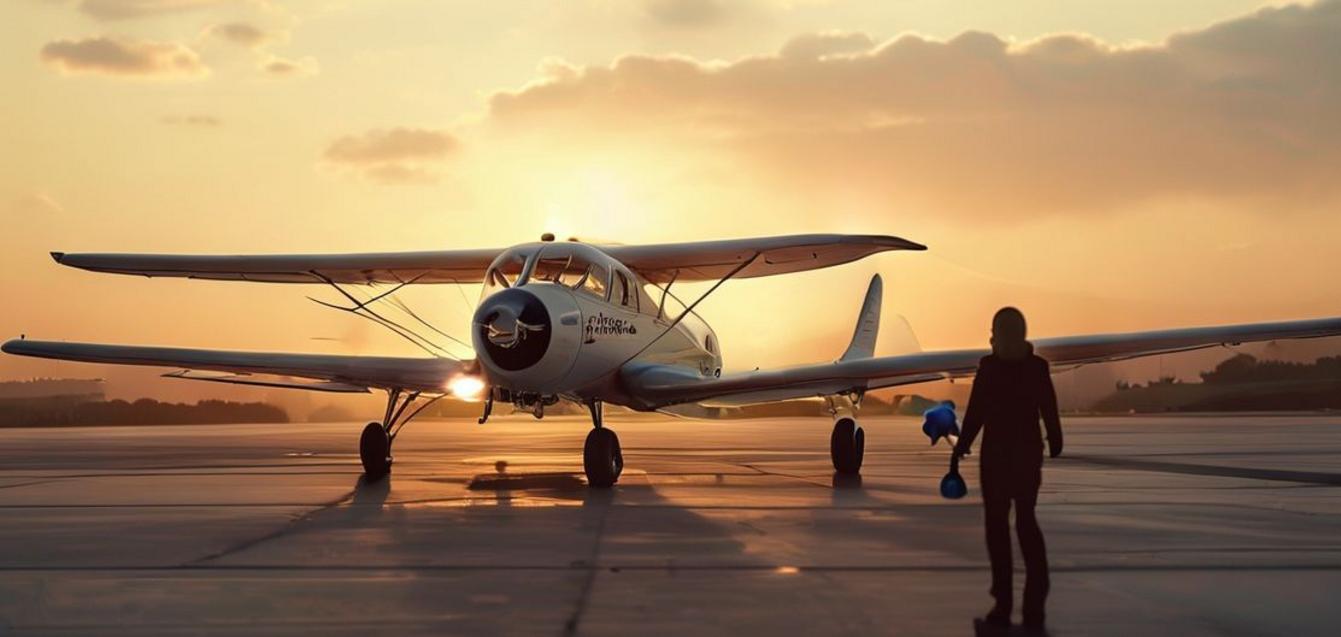
Survivors, sometimes rescued in the dead of night, are often in a state of profound shock and distress. Flights to Freedom offers them what might be their first glimpse of true care and respect: a backpack with essentials, a blue teddy bear, and a walk down a red carpet to a private plane. For many, it’s their first time on an airplane, and F2F ensures it’s an experience marked by dignity and attention. This small act, Lux notes, is often recounted by survivors as the first time anyone truly ‘paid attention’ to them, marking it as a critical early step in their healing journey.
Navigating Challenges and Expanding Horizons
Despite its critical impact, F2F faces significant hurdles. The organization operates on a modest $60,000 budget, primarily covering insurance and operational costs. It relies heavily on individual donations and an annual fundraiser, often charting flights when volunteer pilots or planes aren’t available. The demand is immense; F2F currently manages to fulfill only half of its monthly requests, limited by the availability of pilots and suitable aircraft. The 24- to 48-hour window for organizing flights underscores the intense logistical pressure on the team.
In practice, we often observe that addressing such complex social issues requires continuous innovation and scaling. Lux’s vision for F2F includes recruiting many more pilots, forging partnerships with larger charter companies, and significantly increasing public awareness. A strategic plan to expand operations, with a goal of $750,000 to $1 million, is already in motion. This growth is essential to meet the ever-increasing demand for these vital flights, which have already transported survivors across 11 states.
The Power of Collective Action
The work of Flights to Freedom stands as a powerful testament to how individual initiative, combined with specialized skills, can address critical humanitarian needs. It highlights an essential truth: combatting modern slavery requires a multifaceted approach, from law enforcement and advocacy to the often-unseen logistical support that ensures survivors can truly begin to heal. It’s a compelling reminder that every skill, every resource, can be repurposed for the greater good.
Frequently Asked Questions About Flights to Freedom
What is Flights to Freedom (F2F)?
Flights to Freedom is a non-profit organization that coordinates volunteer pilots and private aircraft to provide swift, secure, and compassionate air transport for survivors of human trafficking, primarily children and young adults.
How does F2F help human trafficking survivors?
F2F offers confidential and dignified transport for survivors, often rescued by law enforcement, to safe locations, medical facilities, or to testify in court. Each flight includes a chaperone (law enforcement, advocate, or therapist) to ensure the survivor’s comfort and safety.
What are the biggest challenges F2F faces?
F2F’s primary challenges include limited funding, which impacts their ability to charter flights, and the ongoing need for more volunteer pilots and available planes to meet the high demand for their services.
How can I support Flights to Freedom’s mission?
Support can come through financial donations, volunteering as a qualified pilot, or by raising awareness about F2F and the pervasive issue of human trafficking. Information on how to get involved is typically available on their website.
A New Horizon of Hope
The journey to healing for survivors of human trafficking is long and arduous. Flights to Freedom offers a crucial, early intervention that speaks volumes: you are seen, you are safe, and you are valued. By providing a secure passage, complete with thoughtful care, these volunteer aviators aren’t just flying planes; they are lifting spirits, rekindling hope, and literally charting a new course towards recovery for those who have endured the unimaginable. Their work underscores that true freedom often begins with a single, safe flight.