







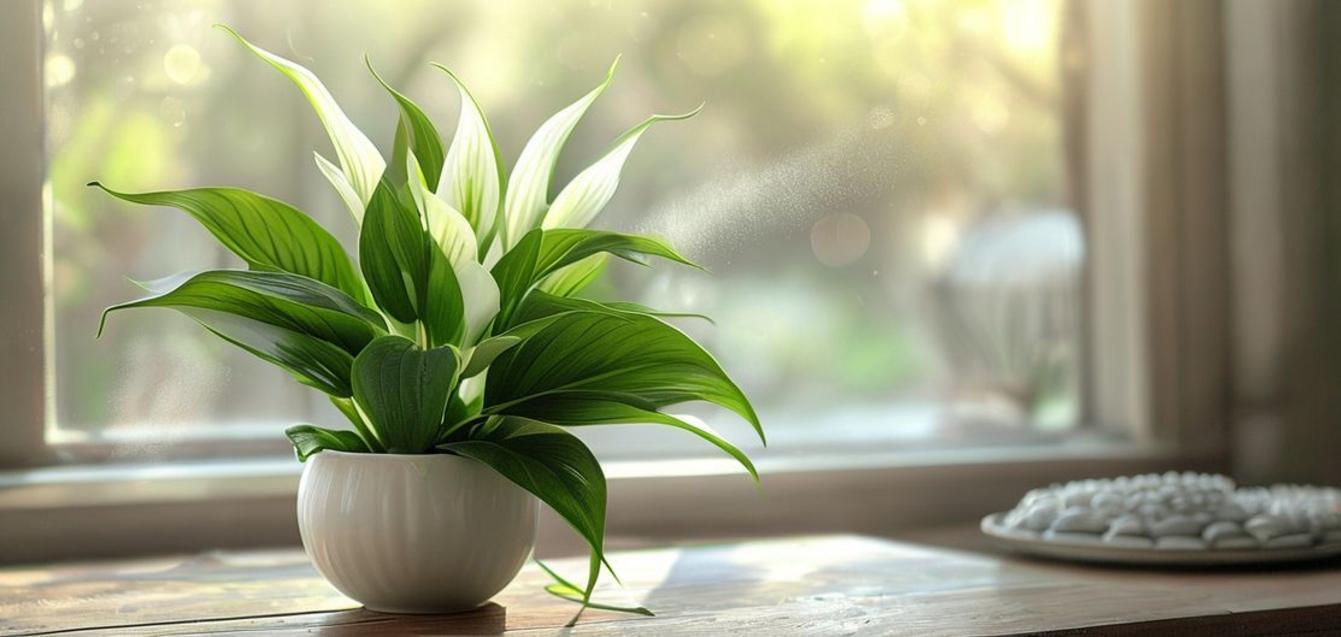
That beautiful indoor plant, a beacon of green in your home, might seem perfectly content. You water it, you give it light, and for most of the year, it rewards you with lush foliage and elegant blooms.
But as the days shorten and the chill sets in outside, our indoor environments undergo a subtle yet profound transformation. What worked perfectly in spring or summer can become a silent stressor for our tropical companions, especially for a sensitive plant like the peace lily (Spathiphyllum).
The Seasonal Paradox: Why Winter Care Isn’t Business As Usual
Many houseplant enthusiasts often approach winter care with a ‘less is more’ mindset, focusing primarily on reduced watering. While that’s a crucial piece of the puzzle, it barely scratches the surface of what plants like the peace lily truly experience when the seasons shift.
Indoors, winter brings a unique set of challenges: drier air from heating systems, drastically weaker and shorter daylight hours, and often, colder drafts near windows or doors. These factors don’t just slow growth; they fundamentally alter the plant’s metabolic processes and its environmental needs. Our peace lilies aren’t entering a deep dormancy like outdoor plants, but they are certainly slowing down, making them highly susceptible to conditions that would be benign in warmer months.
A common observation among seasoned growers is that peace lilies often appear healthy through much of winter, only to suddenly decline in late winter or early spring. This isn’t usually a sudden illness; it’s often the cumulative effect of prolonged, subtle stress from mismatched care. The goal, then, isn’t just to help them survive, but to truly enable them to thrive and emerge into spring with vigor.
Five Critical Shifts for Peace Lily Winter Vibrancy
1. Rethinking Your Watering Rhythm
The first and arguably most critical adjustment for peace lily winter care revolves around watering. During its active growth phase, a peace lily loves consistent moisture, but this changes dramatically when light levels drop and temperatures cool. Less light means reduced photosynthesis, which in turn means the plant uses less water.
Continuing a summer watering schedule into winter is a recipe for disaster. Excess moisture in the soil, combined with cooler temperatures, creates an ideal breeding ground for root rot – a silent killer for many houseplants. In practice, we’ve often seen otherwise healthy plants succumb to this issue simply because their caregivers didn’t adjust their routine.
Instead of watering on a fixed schedule, always check the soil moisture. Insert your finger about an inch or two into the soil. If it feels damp, wait. Only water when the top inch or two has dried out. When you do water, do so thoroughly until it drains from the bottom, then ensure no standing water remains in the saucer.
2. Mastering the Humidity Challenge
Peace lilies are native to the tropical rainforests of Central and South America. They thrive in consistently high humidity. Our homes, particularly when heating systems are running, become significantly drier, often dropping humidity levels to a fraction of what these plants prefer.
Low humidity can lead to crisp, brown leaf tips and edges, stunted growth, and increased susceptibility to pests. This often comes down to the plant losing water through transpiration faster than its roots can take it up from the soil.
There are several effective ways to combat dry winter air: grouping plants together creates a localized microclimate of higher humidity. Placing the pot on a pebble tray filled with water (ensuring the pot isn’t sitting directly in the water) can also provide a steady source of moisture to the air around the plant. For a more significant boost, a small room humidifier can make a world of difference, not just for your peace lily but for other tropical plants and even for human comfort. The Royal Horticultural Society offers excellent insights into general houseplant care and environmental factors, including humidity, which can be a valuable reference.
3. The Subtle Shift in Light Needs
While peace lilies are renowned for their tolerance of lower light conditions, this doesn’t mean they don’t benefit from adequate light, especially during winter. The sun’s intensity is significantly reduced in colder months, and daylight hours are shorter. What was bright, indirect light in summer might become quite dim in winter.
A common mistake is to keep the peace lily in a very dim corner year-round. In winter, even a typically low-light tolerant plant can suffer from too little light, leading to pale foliage, a lack of blooms, and general weakness. Consider moving your peace lily closer to a south or east-facing window during winter, ensuring it still receives indirect light. If direct winter sun streams in, monitor for scorching, but often, this weaker sun is beneficial.
Equally important is protecting them from cold drafts. While more light might be beneficial, a cold gust from an opening window or even a poorly insulated pane can cause significant stress, leading to dark spots or drooping leaves.
4. Pausing the Nutrient Cycle
During its active growing season, a peace lily benefits from regular feeding. However, as growth slows significantly in winter, its demand for nutrients plummets. Continuing to fertilize a plant that isn’t actively growing can be detrimental.
Excess fertilizer salts can accumulate in the soil, leading to root burn and other nutrient imbalances. Many seasoned cultivators advocate for completely suspending fertilization during the colder months, typically from late autumn through early spring. This allows the plant to rest naturally and prevents the buildup of harmful salts.
Resume feeding only when you notice signs of renewed growth, such as new leaves emerging or a spathe (the white bloom) starting to form, usually in spring. When you do resume, start with a diluted solution to ease the plant back into its feeding routine.
5. Vigilance Against Unseen Pests
While often overlooked, winter can be a prime time for certain houseplant pests to proliferate, particularly in the dry, warm indoor environments that heating systems create. Spider mites, in particular, thrive in low humidity and can quickly infest a stressed peace lily.
A plant weakened by insufficient light, improper watering, or low humidity becomes a more attractive target for pests. Regular inspection is key. Take a few moments each week to examine both the top and underside of the leaves. Look for tiny webbing, sticky residue, or any unusual discoloration.
Catching an infestation early makes treatment significantly easier. A gentle wipe-down of leaves with a damp cloth can not only remove dust, improving photosynthesis, but also dislodge early pest populations. If pests are present, consult appropriate, non-toxic remedies to address them promptly.
Beyond the Basics: Proactive Measures for Peak Health
Successful peace lily winter care isn’t just about avoiding common pitfalls; it’s also about proactive attention. Consistent observation is paramount. Your peace lily communicates its needs through its leaves – drooping, yellowing, or browning tips are all signals. Learning to interpret these can help you fine-tune your approach.
Additionally, remember that even subtle changes in your home’s environment can impact your plant. A new draft, a change in thermostat settings, or even new furniture blocking light can make a difference. By understanding the core needs of your peace lily and adapting your care thoughtfully to the unique challenges of winter, you ensure it doesn’t just endure, but truly flourishes, ready to bring beauty and peace into your home for years to come.
Frequently Asked Questions About Peace Lily Winter Care
Do peace lilies go dormant in winter?
While peace lilies don’t experience a deep, true dormancy like many outdoor plants, their growth significantly slows down in response to shorter days and lower light levels. They enter a period of reduced activity where their needs for water and nutrients decrease considerably.
Can I move my peace lily outside in winter?
No, peace lilies are tropical plants and are highly sensitive to cold temperatures. They will not survive outdoors in most temperate climates during winter. Even temperatures below 50°F (10°C) can cause significant damage or death. Keep them indoors in a consistently warm environment.
Why are my peace lily leaves turning yellow in winter?
Yellowing leaves on a peace lily in winter are most commonly a sign of overwatering or low light. Overwatering can lead to root rot, which starves the leaves of nutrients, while insufficient light can cause older leaves to yellow as the plant tries to conserve energy. Review your watering schedule and light conditions.
Conclusion
The winter months present a distinct challenge for indoor gardeners, but with a nuanced understanding of your peace lily’s needs, it’s an opportunity to foster even greater health and resilience. By making these five critical adjustments to your watering, humidity management, light exposure, feeding schedule, and pest vigilance, you’re not just ensuring its survival. You’re setting the stage for a vibrant, thriving plant that will reward you with lush foliage and elegant blooms, emerging from winter stronger and more beautiful than ever before.