








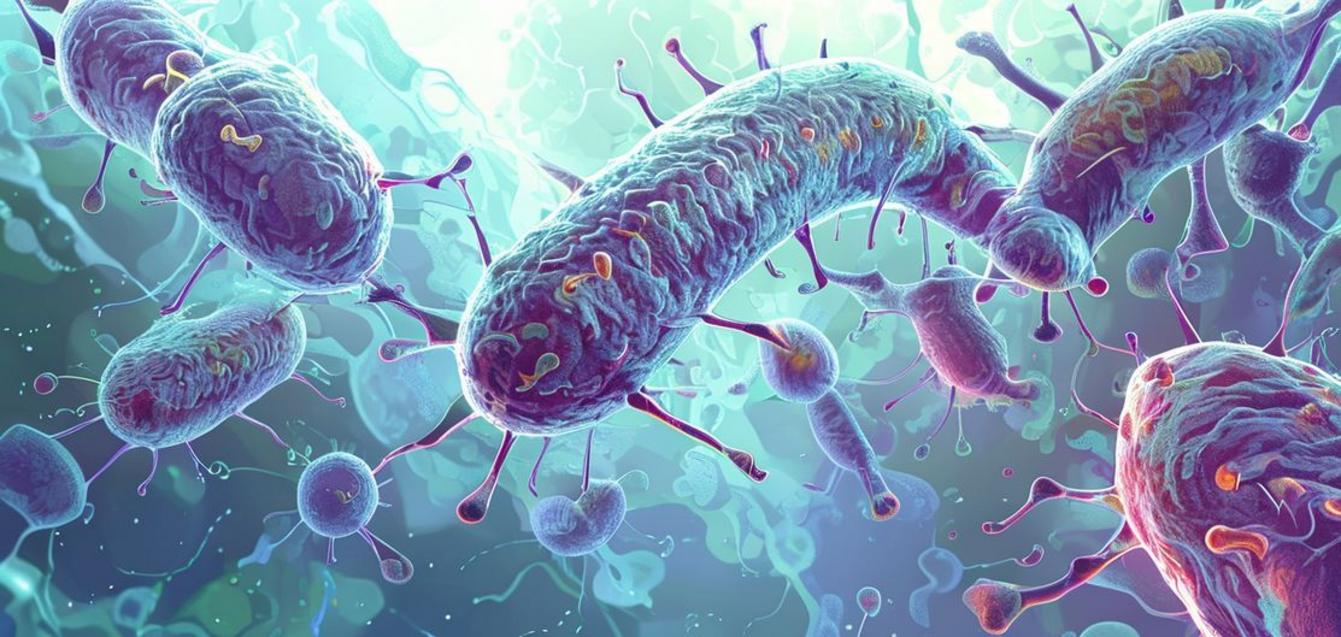
Imagine a disease that lurks in a quarter of the world’s population, silently, patiently. A disease that, for too many, still represents a death sentence. We often think of it as a relic, yet tuberculosis remains one of humanity’s most persistent and complex health challenges.
Despite decades of research and existing treatments, the specter of TB continues to cast a long shadow. Its cunning ability to evade our defenses, to lie dormant for years, makes it an exceptionally formidable foe. But what if the key to finally overcoming it lies not just in targeting the pathogen itself, but in fundamentally understanding the intricate dance it performs with our immune system?
The Unseen Battleground of Tuberculosis
Tuberculosis, caused by the bacterium Mycobacterium tuberculosis, is far from a solved problem. It continues to claim millions of lives globally each year, highlighting a critical gap in our medical arsenal: an effective, long-lasting vaccine for adults, and better preventative strategies overall. The existing BCG vaccine, while offering some protection in childhood, often falls short in preventing pulmonary TB in adolescents and adults, the primary drivers of transmission.
The core challenge stems from the bacterium’s extraordinary adaptability. It doesn’t just invade; it negotiates, manipulates, and often outmaneuvers the very immune responses designed to eradicate it. This makes developing new therapies and, crucially, a universally effective vaccine, an endeavor fraught with complexity.
Shifting Focus: Decoding the Host-Pathogen Dialogue
This is where the insights from researchers like Associate Professor Bryan Bryson become particularly compelling. His work pivots on a critical understanding: to defeat Mycobacterium tuberculosis, we must first deeply comprehend its interaction with the host immune system. It’s a fundamental shift from solely studying the pathogen in isolation to analyzing the intricate, dynamic conversation between the invader and its target.
In practice, we often observe that even when the immune system mounts a response, M. tuberculosis possesses an uncanny ability to subvert it, creating a protective niche within the body. This isn’t just about identifying bacterial weaknesses; it’s about exposing the vulnerabilities in the *interaction* itself. By dissecting these immune system interactions, Bryson and his team aim to uncover novel vaccine targets that could disrupt the pathogen’s ability to establish and maintain infection.
Unmasking Immune Evasion Strategies
The immune system is a complex orchestra, but M. tuberculosis often plays the role of a discordant conductor, altering the melody to its advantage. It can hide within macrophages, suppress immune cell activation, and even induce responses that paradoxically help it survive. A common observation among analysts is that many previous vaccine candidates, while potent against the bacterium in a test tube, falter in real-world scenarios precisely because they don’t adequately address this sophisticated immune evasion.
Bryson’s approach seeks to map these evasion strategies in granular detail. By understanding precisely which immune pathways are hijacked or neutralized, and how the bacterium achieves this, scientists can then design interventions that specifically counter these tactics. This could mean vaccines that bolster specific, effective immune responses, or even therapies that make immune cells more resilient to bacterial manipulation.
Towards a New Era of TB Prevention
The implications of this line of inquiry extend far beyond vaccine development alone. A deeper understanding of the host-pathogen interplay could inform:
- Novel Drug Targets: Identifying host factors that M. tuberculosis exploits could lead to host-directed therapies that make the body less hospitable to the bacterium, complementing traditional antibiotics.
- Improved Diagnostics: More precise markers of infection, latency, and active disease could emerge from understanding the immune system’s subtle responses to the pathogen.
- Personalized Approaches: Recognizing individual immune variations might allow for more tailored preventative or therapeutic strategies.
Our understanding suggests that the path to eliminating tuberculosis will not be a single breakthrough, but rather a series of interconnected discoveries. Research like Bryson’s represents a crucial foundational step, systematically dismantling the problem by focusing on the core biological mechanisms that allow the disease to persist. The global health community keenly watches these developments, understanding that new tools are urgently needed to curb the spread and impact of this ancient, yet still devastating, disease. For context, the World Health Organization continues to highlight TB as a leading cause of death worldwide.
The Imperative for Innovation
The challenge of tuberculosis is a stark reminder that some of the greatest scientific puzzles require not just persistence, but also a willingness to re-examine fundamental assumptions. By zooming in on the intricate cellular and molecular interactions between Mycobacterium tuberculosis and the immune system, Bryan Bryson’s research offers a beacon of hope.
It’s a testament to the idea that sometimes, to solve a grand, overarching problem, you must first master the microscopic battles. The journey to a world free of TB is long, but with each step towards a deeper understanding of its biological complexity, we move closer to effective prevention and, ultimately, eradication.
Frequently Asked Questions (FAQ)
What is Mycobacterium tuberculosis?
Mycobacterium tuberculosis is the bacterium responsible for tuberculosis, a serious infectious disease that primarily affects the lungs but can impact other parts of the body.
Why is a new TB vaccine needed?
The currently available BCG vaccine offers limited protection against pulmonary TB in adults, and new, more effective vaccines are crucial to prevent transmission and reduce the global burden of the disease.
How does the immune system interact with TB?
The immune system attempts to clear or contain M. tuberculosis, but the bacterium has evolved sophisticated mechanisms to evade immune responses, allowing it to persist in the body, sometimes for decades, in a dormant state.
What are the challenges in TB vaccine development?
Challenges include the bacterium’s complex biology, its ability to establish latency, its diverse genetic strains, and the difficulty in inducing robust, long-lasting protective immunity in humans against such a cunning pathogen.
Conclusion
The fight against tuberculosis is far from over, but the strategic focus on understanding the nuanced dialogue between the bacterium and our immune system offers a renewed sense of purpose. By dissecting these interactions at a fundamental level, researchers like Bryan Bryson are not just identifying new targets; they are illuminating entirely new pathways towards an effective vaccine and better preventative strategies. This work is pivotal, offering tangible hope that we can, in time, consign tuberculosis to the annals of medical history.