






In an automotive landscape increasingly dominated by electric motors, digital interfaces, and autonomous ambitions, it takes a certain conviction to chart a different course. Every major manufacturer is showcasing their latest leap into an electrified future, promising silent speed and ecological virtues.
So, when news breaks of a new supercar designed with an uncompromising focus on raw, analog driving purity, it grabs attention. This isn’t just another entrant in the horsepower wars; it’s a deliberate, almost defiant, statement against the prevailing currents.
It raises a fascinating question: in an industry hurtling towards electrification, what compels a manufacturer to double down on an old-school powertrain in a package designed for ultra-lightweight, visceral thrill? The Dutch boutique automaker Donkervoort has just unveiled a vehicle that seeks to answer precisely that.
A Deliberate Deviation from the Norm
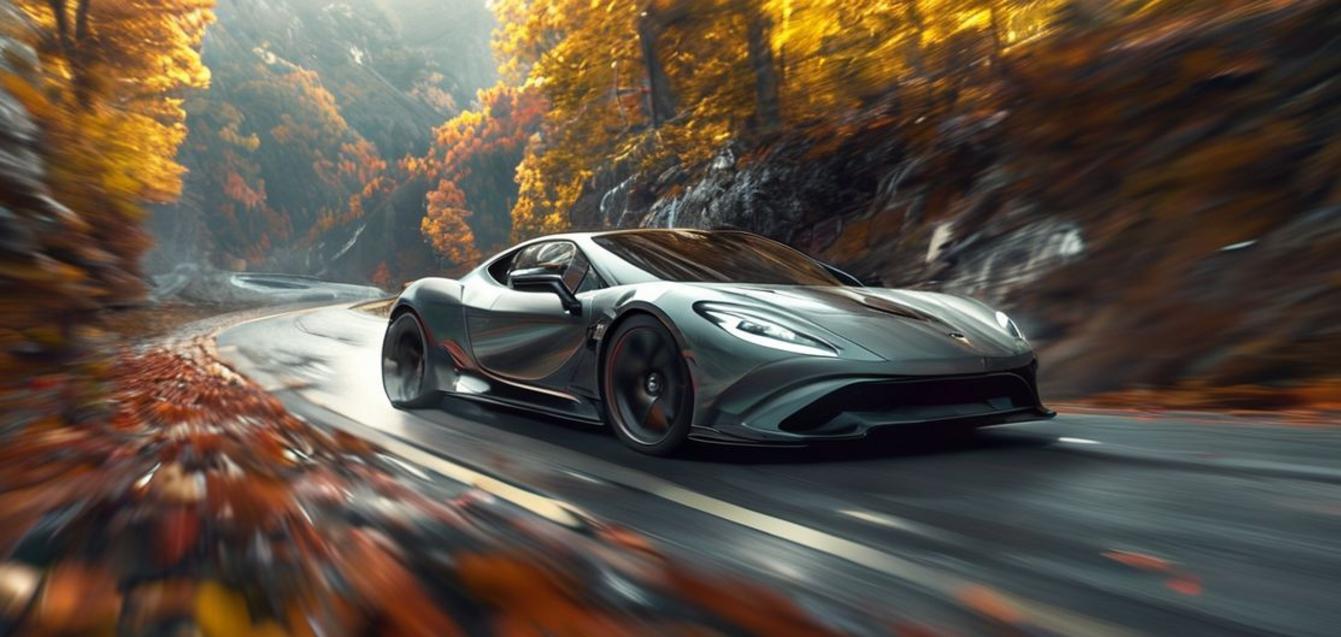
The conversation around performance cars today is largely centered on battery capacity, charging times, and the instant torque delivery of electric powertrains. Manufacturers are pouring billions into developing intricate software and complex energy management systems. Yet, Donkervoort, a brand known for its singular focus on weight reduction and unfiltered driving dynamics, has chosen a path less traveled for its latest creation, the P24 RS.
This isn’t an oversight or a lack of technological capacity; it’s a profound philosophical choice. A common observation among analysts is that while the mainstream pushes electric, a dedicated segment of enthusiasts continues to crave the sensory feedback and mechanical connection that traditional powertrains offer. Donkervoort appears to be directly addressing this often-unspoken demand, recognizing a specific kind of driver who prioritizes engagement over ecological conformity or outright lap times on a digital display.
The Philosophy of Less: Ultra-Lightweight’s Enduring Appeal
In the world of performance, there are two primary routes to speed: add more power or subtract more weight. Donkervoort has historically championed the latter with an almost religious zeal, and the P24 RS is no exception. This commitment to ultra-lightweight design is arguably the most crucial element of its identity.
Shedding weight is fundamentally different from adding horsepower. While a larger engine can compensate for a heavier chassis to an extent, a lighter vehicle inherently changes the dynamic equation. It sharpens turn-in, reduces braking distances, and enhances agility. The result is a more immediate, direct connection between the driver and the road.
From an engineering perspective, achieving extreme lightness requires meticulous material science and structural design. It means a chassis where every component is scrutinized for its contribution to mass and rigidity. This approach yields a car that doesn’t just feel fast; it feels alive.
The Enduring Power of the Internal Combustion Engine
Alongside its commitment to minimal mass, the choice of a twin-turbo V6 engine for the P24 RS is a stark counterpoint to modern trends. This 600-horsepower unit provides a compelling blend of power, torque, and the auditory experience that many purists still consider essential to a true supercar. The rumble, the turbo whistle, the shifting of gears—these are integral parts of the driving symphony.
While regulators push for quieter, cleaner propulsion, some manufacturers understand that the emotional connection to a performance car is often deeply intertwined with its mechanical heart. This engine isn’t just about moving the car; it’s about providing a soundtrack and a tactile experience that electric vehicles, for all their merits, simply cannot replicate.
It’s an interesting time for the internal combustion engine in high-performance applications. While its widespread use in consumer cars is winding down, its role in specialized, low-volume enthusiast vehicles might persist longer than some predict. As analysts have discussed, the conversation around the future of performance cars and IC engines is complex, with boutique manufacturers often having more leeway to cater to specific niche demands.
Navigating Niche: Donkervoort’s Strategic Play
Building an ultra-light supercar with a traditional powertrain isn’t a strategy for mass market appeal. It’s a highly targeted approach that speaks to a very specific demographic of car collectors and driving enthusiasts. These are individuals who often own multiple vehicles and seek out unique driving experiences that differentiate themselves from the mainstream.
For a boutique manufacturer like Donkervoort, this focus on niche appeal is a strength, not a limitation. They don’t need to compete with the production volumes or extensive dealer networks of larger brands. Instead, their value proposition lies in exclusivity, artisanal craftsmanship, and an uncompromised adherence to a particular driving philosophy.
From a market perspective, catering to this segment allows for higher margins and a deeper connection with a passionate customer base. It’s a testament to the enduring diversity of the automotive world that such dedicated expressions of driving purity can still find a vibrant audience.
More Than Numbers: The Allure of Sensory Experience
Ultimately, the P24 RS isn’t just a collection of impressive specifications; it’s an experience. The lightweight chassis combined with the responsive V6 creates a synergy designed to maximize driver involvement. This isn’t about isolating the occupants from the road; it’s about bringing them closer to it.
The feedback through the steering wheel, the sensation of acceleration and braking, the roar of the engine at full throttle—these are the elements that define a visceral driving machine. In an era where cars are becoming increasingly digital and buffered, a vehicle that deliberately dials up the analog connection offers a refreshing, and for many, deeply satisfying, alternative.
Frequently Asked Questions About Supercar Design Philosophy
Why would a new supercar use an old-school powertrain instead of electric?
The choice of a traditional twin-turbo V6 in a car like the Donkervoort P24 RS is often a philosophical one, prioritizing raw sensory experience, engine sound, and mechanical feedback that many enthusiasts associate with pure driving pleasure. It caters to a specific niche that values analog connection over silent, instant electric torque.
What does “ultra-lightweight” mean for performance?
Ultra-lightweight design significantly enhances a car’s performance by improving acceleration, braking, and cornering agility. Less mass means less inertia to overcome, leading to quicker responses, sharper handling, and a more direct feel for the driver. It’s a fundamental principle of high-performance engineering.
Who is the target audience for such a niche supercar?
Niche supercars like this typically target affluent collectors and dedicated driving enthusiasts who prioritize exclusivity, uncompromised driving dynamics, and a unique, visceral experience. These buyers often seek vehicles that stand apart from mainstream offerings and offer a distinct driving philosophy.
How does this fit into broader automotive industry trends?
While the broader industry is heavily focused on electrification and digitalization, vehicles like the Donkervoort P24 RS represent a counter-trend. They highlight the enduring demand for traditional, analog driving experiences among a specific segment of the market, demonstrating that diversity in automotive philosophy continues to thrive.
Embracing the Road Less Traveled
The Donkervoort P24 RS stands as a testament to the idea that innovation doesn’t always mean following the loudest trend. Sometimes, true progress, or at least a compelling alternative, lies in refining and celebrating core principles. For those who believe that the heart of driving lies in the visceral connection between human, machine, and road, this ultra-light supercar with its powerful, traditional engine represents a powerful and appealing statement.
It’s a reminder that while the future is undoubtedly electric for many, there will always be a place for the unapologetic purist, roaring down the open road, wind in their hair, and the distinct thrum of a high-performance engine echoing behind them. This is not just a car; it’s a driving philosophy brought to life, offering an unfiltered experience for a discerning few.