







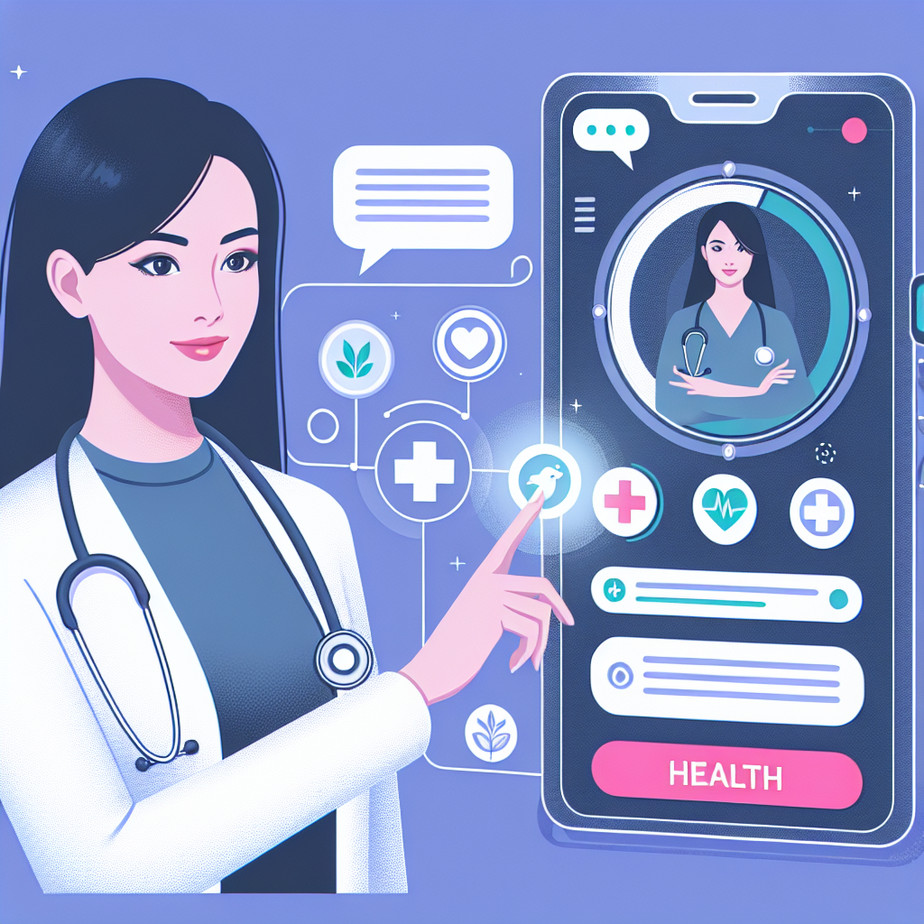
Imagine walking into a doctor’s office with a heavy heart, armed only with your symptoms and questions. Instead of a medical professional, you find yourself face-to-face with an engaging software, ready to discuss your health. This scenario might seem far-fetched, but it’s becoming increasingly plausible.
In recent months, advancements in conversational technology have sparked intense discussions about the potential and pitfalls of digital platforms assisting in healthcare. Is this trend a leap towards efficiency or a dangerous step away from human connection?
As many health professionals express concerns, it’s essential to unpack this nuanced landscape emerging around platforms that, while eerily reminiscent of cinematic narratives like The Pitt, bear serious implications for real-world healthcare.
Blurring Boundaries: ChatGPT in Healthcare
Consider a system where patients receive real-time health insights, symptom analysis, and potential avenues for care, all through a chat interface. This isn’t fiction; it’s a serious exploration in healthcare innovation. Medical providers have begun integrating platforms like ChatGPT into their practices, aiming to offer immediate support and guidance.
Yet, many professionals in the medical field voice apprehensions. As they navigate the implications, it becomes clear that while technology can enhance and streamline healthcare, it fundamentally lacks the inherent empathy that defines the patient-provider relationship.
Questions Surrounding Trust and Reliability
One significant concern revolves around trust. In real-world cases, patients often rely on their physicians to offer not only expert advice but also reassurance. On the other hand, an algorithm, no matter how sophisticated, cannot form the same bond. Healthcare decisions are deeply personal. Can a non-human system genuinely understand the emotional and psychological nuances involved?
Moreover, there’s the issue of accuracy. Content generated by such systems is, at best, a reflection of the data inputted into it. Professionals often notice discrepancies in information, leading to misinterpretations. When it comes to healthcare, even minor misjudgments can have severe consequences.
The Double-Edged Sword of Technology
While seeking innovative ways to offer support, we must consider the potential repercussions of these technologies. Sure, a chatbot might expedite some processes or accommodate a patient’s deferred questions, but the storied tradition of in-person medical discourse is irreplaceable.
The present dilemma echoes the sentiment of older generations who watched technology transform industries, often lamenting the loss of tangible, personal interactions. Today’s healthcare landscape is no different. Are we prepared to sacrifice the invaluable bond created between a patient and their physician for the sake of convenience?
Further Implications on Patient Care
Integrating platforms like ChatGPT poses a risk beyond individual relationships. The broader implications might alter how medical training is approached. For instance, if students lean too heavily on technological assistance for diagnosis and recommendations, will their intuitive abilities suffer? Critical thinking is essential, and relying on conversational models may cloud undergraduates’ judgment.
Moreover, the potential for misinformation persists. Misinformation can spread rapidly in the digital age, and if patients erroneously trust a chatbot over a healthcare provider, it could spiral into a dangerous dependence on unreliable sources.
Finding the Balance
So where do we go from here? The goal should be to harness the benefits of these technologies while carefully mitigating their risks. Collaboration may hold the key. Imagine a future where digital platforms serve as assistants rather than replacements—facilitators of knowledge that empower healthcare professionals while keeping the human element at the forefront.
Integrating ChatGPT-like systems could streamline administrative tasks, allowing physicians to devote more of their time to critical decision-making and personal interaction. By taking on more administrative or ‘first-level’ inquiries, these digital platforms could free up healthcare providers’ schedules, potentially leading to richer, more meaningful patient interactions.
Expert Opinions
Health experts are beginning to weigh in on the topic, sharing diverse perspectives on technological convergence. Medical professionals argue that while innovations in health technology can be advantageous, the essence of care must remain intact. A seamless blend of human insight and technology may redefine the future of healthcare.
Furthermore, advocates for ethical healthcare technology emphasize the importance of regulatory standards that ensure patient safety above all. Implementing frameworks that govern how these tools are used in patient care will be crucial.
Addressing Consumer Concerns
As these technologies become more prevalent, consumer awareness and education will be vital. Patients need to understand what to expect and how to navigate these digital interactions effectively. Educating patients about their right to consult with a physician—even after an interaction with a chatbot—will empower them in their healthcare journeys.
Moreover, organizations can prioritize transparency by informing patients about how their information may be used and the limitations of chatbot algorithms. Openness will build trust, and trust is a key component in healthcare.
Looking Ahead
The advent of platforms like ChatGPT is undeniably changing the healthcare landscape, but with change comes responsibility. As we move forward, communities must engage in open dialogues, weighing the advantages and disadvantages of this integration.
As technology evolves, so too must our approach to healthcare. Balancing technological innovations with empathetic care will ultimately yield better outcomes for everyone involved.
Concluding Thoughts
In the end, we must reflect on the larger picture. While the allure of convenience offered by platforms like ChatGPT is palpable, it is essential to remember what is at stake. Gathering information has its benefits, but receiving care—from someone who genuinely understands, empathizes, and connects—is irreplaceable.
As we navigate these exciting times in healthcare innovation, our mission should be to ensure that the heart of care does not wander too far into the realm of technology.
FAQ
Can ChatGPT replace a doctor?
No, while ChatGPT can provide information and support, it does not have the capacity for the emotional understanding or nuanced decision-making that a healthcare professional possesses.
What are the benefits of using ChatGPT in healthcare?
ChatGPT can assist with administrative tasks, provide quick information, and potentially improve patient engagement by answering preliminary questions before a doctor’s visit.
How can patients ensure their safety when using technology for health advice?
Patients should consult their healthcare providers for any important health decisions and be aware of the limitations of digital platforms.