







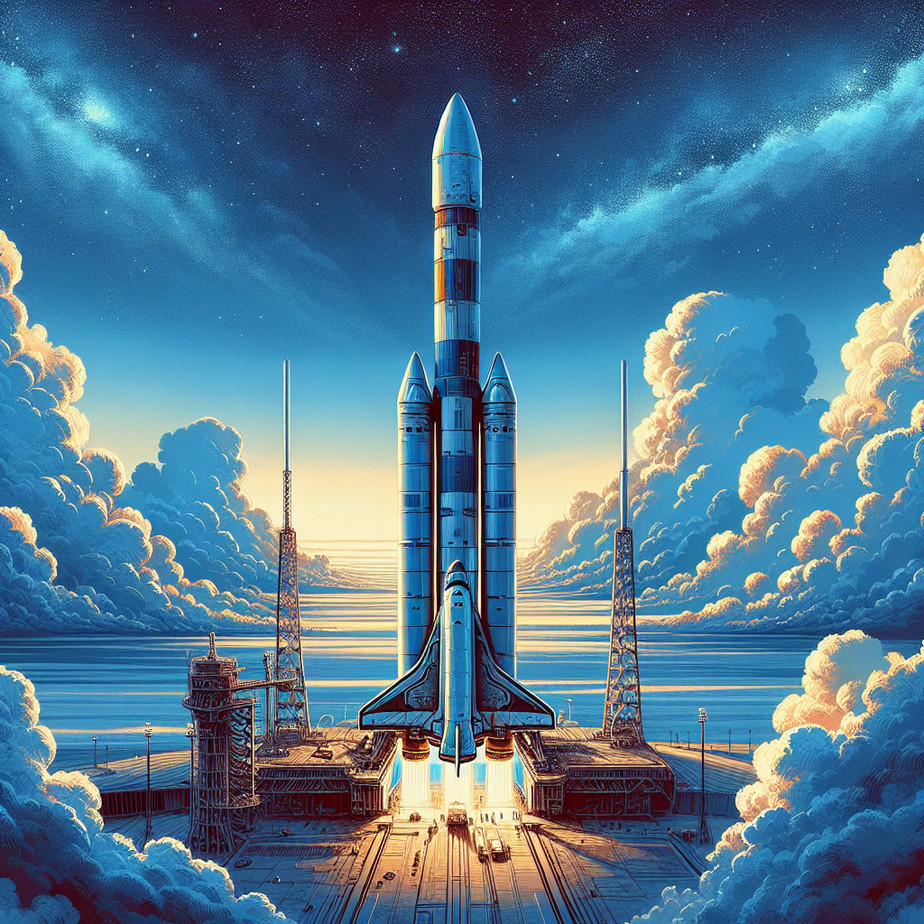
There’s something magical about the slow march of tremendous machinery, and NASA’s latest moon rocket, the Space Launch System (SLS), is no exception. As the 322-foot titan began its journey from the Vehicle Assembly Building at Kennedy Space Center, anticipation filled the air. This isn’t just a step for NASA; it’s a leap for humanity.
The SLS is not your typical rocket; it’s designed for deep space exploration. While many remember the excitement of Apollo, the SLS is a beacon of modern space travel, serving as the key to unlocking mysteries beyond our lunar neighbor.
What’s particularly intriguing about this moment is the timing. As NASA gears up for a potential astronaut launch as early as February, we find ourselves standing on a precipice between the past and an uncertain future. How does this monumental event change our perspective on space exploration?
The Path of Progress
As the SLS crawls toward its launch pad at a painstakingly slow speed of 1 mph, we are reminded of the careful precision that defines space exploration today. Delays and meticulous planning are nothing new; they are foundational elements of success in aerospace endeavors. In real-world cases, the stakes are high, and rushing can lead to costly setbacks.
Navigating through the extensive terrain of Kennedy Space Center is a calculated maneuver, blending engineering with real-time decision-making. Each inch covered brings with it a sense of gravity—both literal and metaphorical—reminding us of the innovative boldness that drives humanity to explore the unknown.
Revisiting the Importance of Human Presence
The inclusion of astronauts on upcoming missions marks a significant evolution in NASA’s objectives. Unlike previous unmanned missions, these astronauts are not just there to collect data; they represent the embodiment of collaborative exploration. Their role exemplifies the human index of exploration, which adds emotional depth to what could, at first glance, seem like a simple technical endeavor.
This human connection may just be what catalyzes a renewed public interest in space exploration. As professionals often notice, seeing people venture into the cosmos evokes a sense of collective awe and curiosity that machines alone cannot inspire.
Looking Backward to Move Forward
It’s essential to acknowledge that the Artemis program—NASA’s flagship venture—exists not just as a nod to our past explorations, but as a roadmap for future endeavors. By returning to the moon, we stand to gather not only scientific data about our nearest celestial body but also practical experience for future missions to Mars and beyond.
Some skeptics may query the validity of investing in lunar missions when Earthly issues need addressing. However, the technologies derived from such explorations frequently lead to unexpected, transformative benefits back home. Examples abound; from advances in telecommunications to innovations in materials science—previous space missions have reshaped societal paradigms.
A Closer Look at the Space Launch System
The SLS stands as a crowning achievement of engineering prowess. With its complex design and unprecedented power, it’s tailored for deep-space missions. Each component is crafted with the utmost precision, ensuring it meets the rigorous demands of space travel.
What’s fascinating about this rocket is its versatility. It can carry a multitude of payloads for different missions—not just crewed ones, but also uncrewed missions that carry essential equipment and technology. This flexibility positions the SLS as a pivotal player in NASA’s broader, more ambitious plans.
The Road Ahead: Challenges and Opportunities
No grand endeavor comes without hurdles. As we anticipate the SLS’s upcoming launch, it’s vital to understand the challenges that lie ahead. From political pressures to budgetary constraints, every aspect of this mission is multifaceted and interconnected.
Professionals in the field are keenly aware of the unpredictability of launch schedules and mission timelines. Each minor setback can ripple through to the next step in a way that’s often invisible to the general public. It serves as a reminder that space exploration is as much about resilience as it is about innovation.
Broader Implications of Space Exploration
The excitement surrounding the SLS’s next phase extends beyond engineering marvels and astronautical aspirations. It touches on profound questions about humanity’s place in the universe. With the exciting prospect of returning to the moon, we have the unique opportunity to study this celestial body in ways that we previously could not. The potential discoveries could reshape our understanding of physics, geology, and even biology.
Moreover, the Artemis missions’ goals resonate with our collective consciousness. They challenge us to consider what it means to be explorers in our own right—pushing boundaries, redefining limits, and venturing into the great unknown.
Frequently Asked Questions
When is the anticipated launch date for NASA’s moon rocket?
NASA is aiming for a crewed launch as early as February, pending successful preparations and testing.
What is the significance of the Space Launch System (SLS)?
The SLS is designed for deep space exploration and can carry various payloads, making it a crucial element of NASA’s Artemis program.
Why is the return to the moon important?
Returning to the moon paves the way for future missions to Mars and beyond, enabling us to gather critical knowledge about space travel.
A Call to Embrace the Future
As we watch the Space Launch System inch closer to its launch pad, we’re reminded of our shared quest for knowledge and exploration. Whether you’re a space enthusiast or a casual observer, this moment encapsulates the human spirit’s relentless drive to explore. It’s a reminder that each step taken by this enormous rocket is a step toward understanding our universe.
So, what does this mean for you? Engage with these narratives. Follow the developments. Ask questions. The journey of NASA’s SLS and its astronauts is not just a future event; it’s part of our collective story—a story that we can all be a part of, as each launch brings us one step closer to unraveling the mysteries that lie beyond our planet. Let’s prepare for a cosmic adventure like never before.